
Understanding Nervous System Regulation for Highly Sensitive People
Jan 21, 2026
Highly sensitive people often navigate a world that overwhelms their nervous systems. Understanding nervous system regulation can empower them to harness their sensitivity for personal growth and resilience.
The Role of the Nervous System in Sensitivity
The human nervous system is a complex network that orchestrates our bodily functions and responses to external stimuli. It is composed of the central nervous system (CNS), which includes the brain and spinal cord, and the peripheral nervous system (PNS), which connects the CNS to the rest of the body.
This intricate system is responsible for how we perceive and interact with the world around us. Highly sensitive people (HSPs) process sensory information more deeply and intensely than their less sensitive counterparts and this can lead to stronger responses from the autonomic nervous system (ANS).
The ANS is divided into the sympathetic nervous system (SNS) and the parasympathetic nervous system (PNS). The SNS is often referred to as the "fight or flight" system, preparing the body for stressful or threatening situations, while the PNS is known as the "rest and digest" system, promoting relaxation and recovery. For HSPs, the balance between these two systems can be easily disrupted.
In addition to the ANS, neurotransmitters and hormones play a significant role in sensitivity. Neurotransmitters like serotonin and dopamine influence mood and emotional regulation, while hormones like cortisol are involved in the body's stress response. For HSPs, fluctuations in these chemicals can lead to heightened emotional responses and a greater susceptibility to stress. Understanding the role of the nervous system in sensitivity is crucial for recognising the unique challenges faced by HSPs and developing effective strategies for regulation.
Common Challenges Faced by HSPs
Highly sensitive people can encounter a myriad of challenges due to their heightened sensory processing. One of the most common issues is sensory overload, where the nervous system becomes overwhelmed by excessive stimuli such as loud noises, bright lights, or crowded environments. This overload can lead to feelings of anxiety, irritability, and exhaustion. HSPs may struggle with the depth of processing and sensitivity to sensory stumuli making it difficult for them to concentrate or relax in busy settings.
Emotional responsivity is another significant challenge for HSPs. They tend to experience emotions more deeply and may have strong responses to both positive and negative events. Additionally, HSPs are often highly empathetic and in tune with the emotions of those around them, which can further exacerbate their emotional responses.
HSPs may also face challenges related to self-care and boundary-setting. Due to their heightened sensitivity, they may be more prone to burnout and fatigue, especially if they do not prioritise their own needs. They may find it difficult to say no or to remove themselves from situations that are overstimulating, leading to chronic stress and health issues. Understanding these common challenges is the first step in developing effective strategies for nervous system regulation, allowing HSPs to thrive in a world that can often feel overwhelming.

Importance of Nervous System Regulation
Regulating the nervous system is crucial for HSPs to maintain their well-being and harness their sensitivity as a strength rather than a hindrance. When the nervous system is balanced, it allows for optimal functioning of both the body and mind. This balance can help HSPs manage stress, improve emotional regulation, and enhance their overall quality of life. Without proper regulation, HSPs are at risk of chronic stress, anxiety, and other health issues that can significantly impact their daily lives.
One key benefit of nervous system regulation is its ability to reduce the impact of sensory overload. By learning techniques to calm the nervous system and expand their window of tolerance, HSPs can better manage their reactions to stimuli and prevent feelings of overwhelm. This can lead to improved focus, productivity, and a greater sense of control over their environment. Additionally, effective nervous system regulation can help HSPs develop resilience, allowing them to navigate challenging situations with greater ease and confidence.
Techniques for Nervous System Regulation
There are various techniques HSPs can use to regulate their nervous systems and manage their sensitivity effectively. To learn some of these techniques, you can download the free guide: 7 Powerful Ways to Regulate Your Nervous System as an HSP.
One of the most effective methods is deep breathing exercises. Slow, deep breaths can activate the parasympathetic nervous system, promoting relaxation and reducing the body's stress response. Practising deep breathing for a few minutes each day can have a profound impact on nervous system regulation, helping HSPs to feel calmer and more centred.
Mindfulness and Meditation Practices
Mindfulness and meditation are also highly effective practices for regulating the nervous system and managing the heightened sensitivity experienced by HSPs. Mindfulness involves paying attention to the present moment without judgment, which can help HSPs become more aware of their thoughts, emotions, and bodily sensations. This increased awareness allows them to respond to stressors with greater clarity.
There are various forms of mindfulness practices such as guided imagery, loving-kindness and body scans - each offering unique benefits for nervous system regulation. Incorporating mindfulness and meditation into daily routines can be particularly beneficial for HSPs. Even short periods of practice, such as five to ten minutes a day, can have a significant impact on nervous system regulation. Creating a dedicated space for mindfulness and meditation, free from distractions, can enhance the effectiveness of these practices. Over time, HSPs may find that mindfulness and meditation become integral parts of their self-care routines, providing them with the tools they need to navigate their sensitivity with greater ease and resilience.

Building a Supportive Lifestyle
Building a supportive lifestyle is essential for HSPs to manage their sensitivity and maintain their well-being. This involves making intentional choices about daily routines, self-care practices, and social interactions to create a balanced and fulfilling life. One of the first steps in building a supportive lifestyle is establishing healthy boundaries. HSPs need to be mindful of their limits and learn to say no to activities or commitments that may lead to overstimulation or burnout. To learn more about setting healthy boundaries check out How to Stop People-Pleasing and Honour your Needs as a HSP.
Self-care is another critical component of a supportive lifestyle for HSPs. Regular self-care practices, such as exercise, adequate sleep, and proper nutrition, can help to maintain a balanced nervous system and reduce the impact of stress. Engaging in activities that bring joy and relaxation, such as reading, gardening, or creative pursuits, can also be highly beneficial.
Creating a supportive social network is equally important for HSPs. Surrounding themselves with understanding and empathetic individuals can provide a sense of connection and belonging. HSPs may also benefit from seeking out communities or groups where they can share their experiences and gain support from others who understand their sensitivity. Building a supportive lifestyle involves making intentional choices that honour and nurture the unique needs of HSPs, allowing them to thrive in a world that can often feel overwhelming.
Seeking Professional Help and Resources
While self-care practices and lifestyle adjustments can significantly benefit HSPs, there may be times when professional help is needed to manage their sensitivity effectively. Seeking support from an HSP Coach or Practitioner who understands the unique challenges faced by HSPs can be incredibly valuable. You can find out more about 1-1 coaching here, or check out our directory of HSP Professionals here.
About the Author
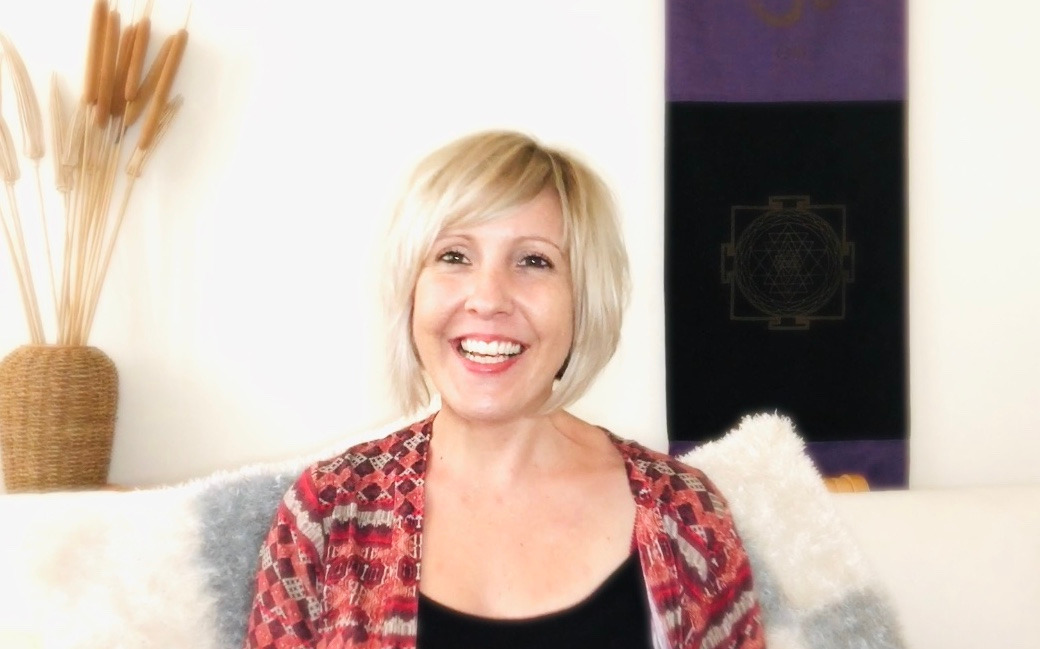
Jules De Vitto has a BSc in Psychology, MA in Education and MSc in Transpersonal Psychology, Consciousness and Spirituality and is an accredited transpersonal coach, trainer and experienced educator. She is the founder of the Highly Sensitive Human Academy — a central hub that offers courses, coaching, articles and a podcast for Highly Sensitive People. She helps those who identify with the traits of high sensitivity to navigate emotional overwhelm, step into their authentic power and align with their true purpose in life.
She is a published author and wrote one of a series of books on Resilience, Navigating Loss in a time of Crisis. Her research has also been published in the Transpersonal Coaching Psychology Journal and Journal of Consciousness, Spirituality, and Transpersonal Psychology.
In addition to her academic and coaching pursuits, Jules has spent years engaging in deep transformative healing work. She is a Reiki Master and Teacher and has completed Michael Harner’s Shamanic Practitioner Training through the Foundation of Shamanic Studies and a Grief Ritual Leadership Training with Francis Weller.
Jules is passionate about creating community for Highly Sensitive People and embracing the full spectrum of our emotional and sensory capacities rather than trying to ‘fix’ ourselves. Deepening the connection to our sensitivity enables us to open our hearts and form better relationships with ourselves, others and the world.